Understanding IDOR Vulnerabilities and Why They Matter in 2025
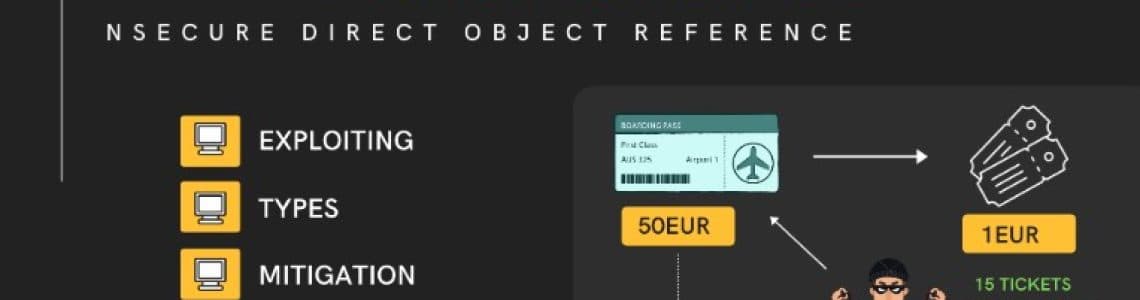
Insecure Direct Object Reference (IDOR) vulnerabilities are one of the most serious and often overlooked issues in application security today. With the increasing complexity of modern web applications and APIs, the risks associated with IDOR are higher than ever. In this blog post, I’ll explore what IDOR vulnerabilities are, why they matter, and how you can protect your systems from exploitation.
What Is an IDOR Vulnerability?
IDOR occurs when an application exposes a reference to an internal object, such as a file, database record, or user ID, in a way that allows attackers to manipulate it and gain unauthorized access to sensitive data or perform actions they shouldn’t be allowed to.
For example:
GET /account?userID=123If the application doesn’t properly verify whether the user has permission to access userID=123, an attacker could change the userID parameter to another value, like userID=124, and access another user’s account.
Why Are IDOR Vulnerabilities a Serious Issue?
1. Exploitation of Sensitive Data
IDOR vulnerabilities allow attackers to access, modify, or delete sensitive information. This could include:
- Personal data (e.g., names, addresses, phone numbers)
- Financial records
- Healthcare information
Such breaches can lead to regulatory violations and loss of consumer trust.
2. The Rise of APIs
Modern applications rely heavily on APIs to function. These APIs often handle sensitive operations and data, making them a prime target for IDOR exploits. Attackers can manipulate API parameters to:
- Access unauthorized resources
- Perform unauthorized actions, such as transferring funds or modifying records
3. Automated Attacks
IDOR vulnerabilities are relatively easy to exploit using automated tools like Burp Suite or custom scripts. Attackers can identify and manipulate parameters at scale, amplifying the potential damage.
4. Impact on Business and Compliance
The consequences of an IDOR exploit can be devastating:
- Reputation Damage: Exploited vulnerabilities can erode customer trust.
- Financial Losses: Data breaches and fraud can result in direct financial losses.
- Regulatory Penalties: Non-compliance with regulations like GDPR, HIPAA, and PCI-DSS can lead to hefty fines.
Related articles


Ready to test your defenses?
Get a free scoping consultation — a fixed-fee proposal within 24 hours.